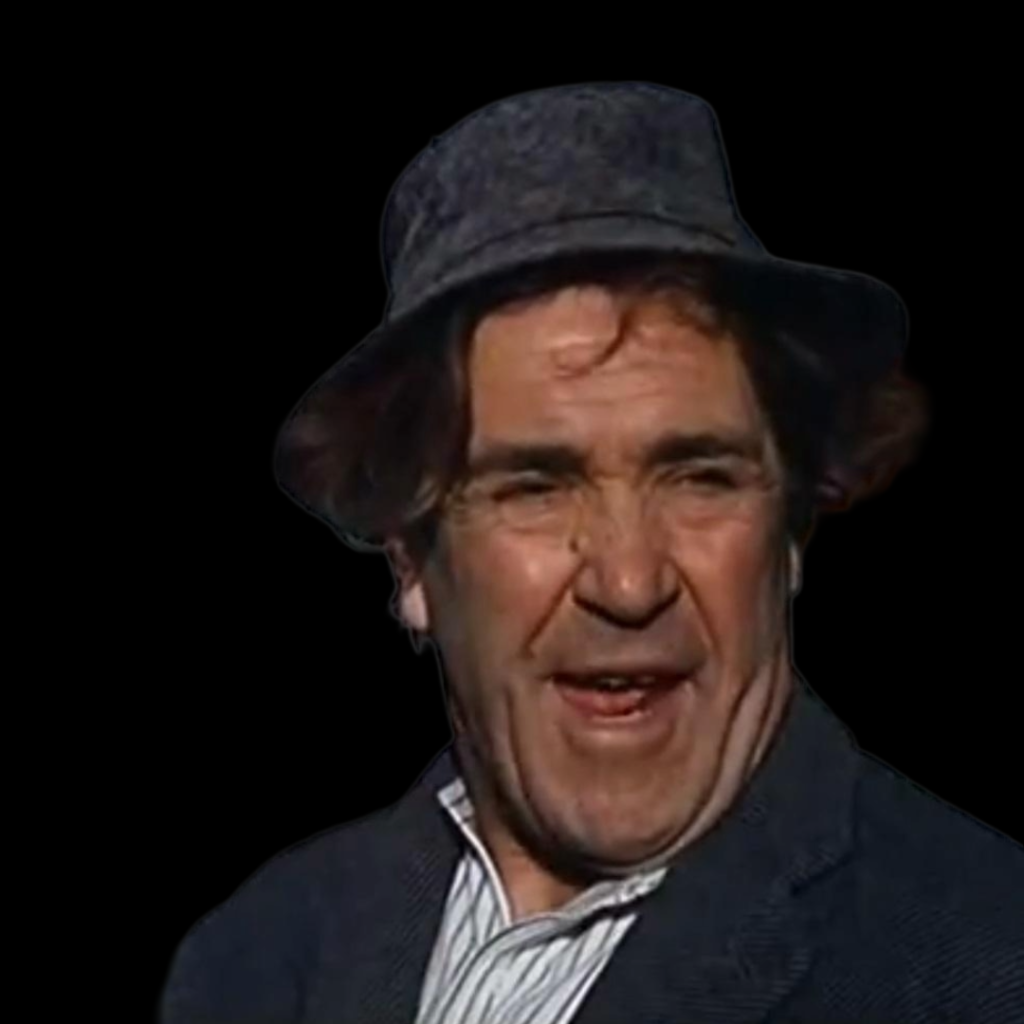
On March 4, 1975, Charlie Chaplin was officially knighted at Buckingham Palace, earning the title Sir Charles Spencer Chaplin KBE at the age of 85.
He was assisted in a wheelchair to meet the Queen for the ceremony, a moment long-awaited by his fans who had campaigned for this honour. However, his journey to knighthood was fraught with controversy; secret Foreign Office documents from 1956, unsealed in 2002, indicated that his recognition was delayed partly due to perceptions of him as a communist sympathiser. This suspicion was echoed by U.S. officials, leading to intense scrutiny of his political views dating back to the 1940s. In 1952, after his U.S. visa was revoked, Chaplin relocated to Switzerland, where he lived out the remainder of his life.
Charlie Chaplin’s personal life certainly caught the attention of the British Establishment. He was known for his romantic escapades with several actresses and even married two 16-year-olds at different times. After his third marriage ended in 1942, actress Joan Barry filed a paternity lawsuit against him. Although tests confirmed he wasn’t the father, he was still required to pay child support, which tarnished his reputation. Despite all the drama in his personal life, Chaplin will always be cherished as the charming slapstick tramp donned in a bowler hat and cane. He won hearts with his physical comedy in numerous silent films, earning his place as one of the world’s first superstars.
Back in the 1880s, it would have seemed unbelievable. Charlie, born in London, was abandoned by his heavy-drinking father and spent much of his childhood in poverty, sometimes even stuck in harsh workhouses. However, he inherited a passion for the stage from his mother, a music hall singer. Reflecting on his life years later, he shared,
“I tried my hand at various jobs—news vendor, printer, toymaker, doctor’s boy, and more. But through all these experiences, my dream of becoming an actor never faded.”
In between gigs, he would polish his shoes, tidy his clothes, slip on a clean collar, and regularly check in at theatrical agencies, chasing his ultimate goal.
In 1897, he started his journey with a clog-dancing group, which eventually led to his first acting gig as a pageboy in a Sherlock Holmes play. By 1908, at just 19, he became part of the famous Fred Karno pantomime troupe, taking his talents to America. It was there that film producer Mack Sennett noticed him and offered Chaplin a contract worth $150 a week. This marked the beginning of his rise to fame. By the time he turned 26, Chaplin had become a superstar, raking in an impressive $670,000 annually.
Two decades after being expelled from the U.S., Hollywood began to acknowledge his incredible talent and impact on cinema. In 1972, he was honoured with an Honorary Academy Award for “the immeasurable influence he has had in establishing motion pictures as this century’s art form.” This recognition must have brought him immense joy, but perhaps not as much as receiving a knighthood in 1975. After the ceremony, Chaplin shared that the Queen expressed gratitude for his contributions, stating that his films had greatly helped her. He admitted to being “dumbfounded” by the whole experience.
Just three years later, Sir Charles passed away. On Christmas Day in 1977, he suffered a stroke while resting at his Swiss home. His peaceful rest, however, was short-lived. Just three months posthumously, his coffin was stolen by two unemployed immigrants who asked for $400,000 to return it. After 11 weeks, police caught them during an operation, and the coffin was discovered buried in a nearby field. It was eventually reburied at its original location, now protected by reinforced concrete. One can’t help but wonder if the king of slapstick humour would have found a chuckle in that bizarre twist.