
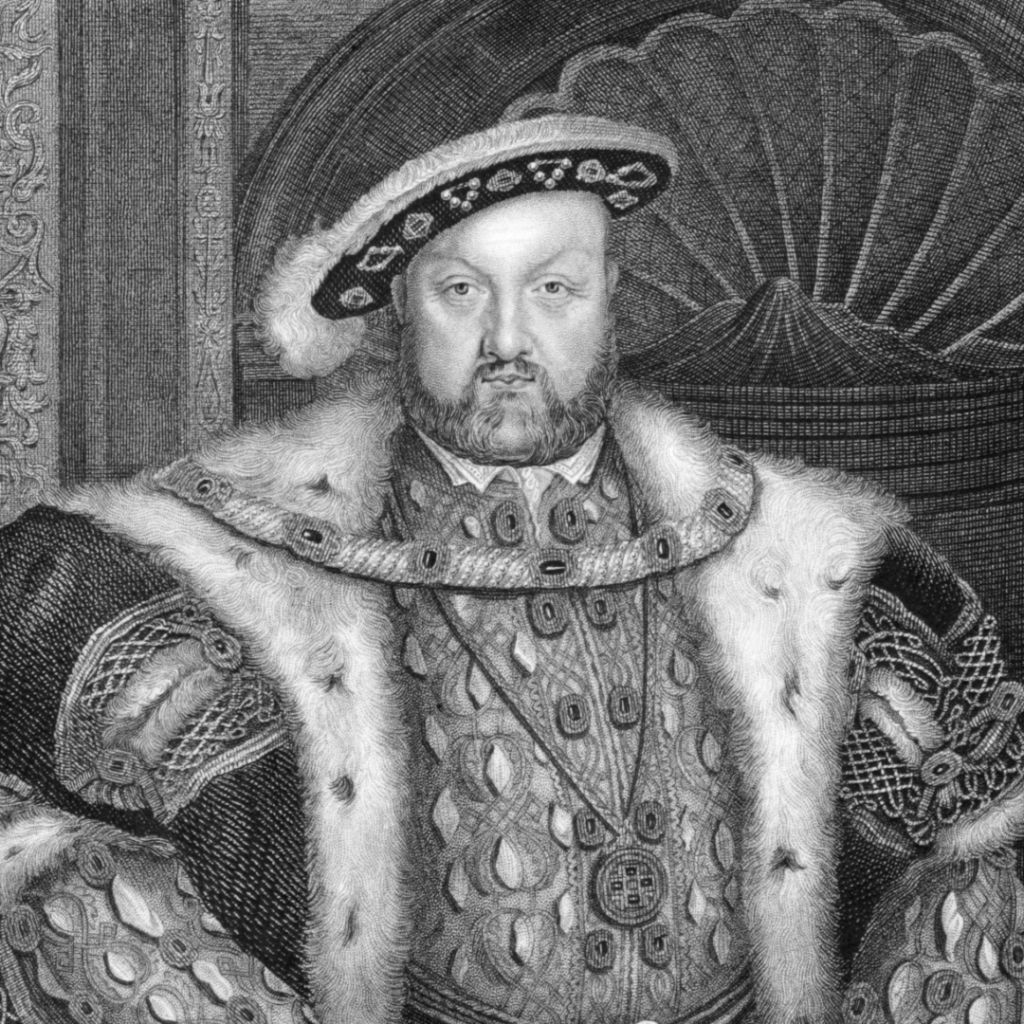
 On April 3, 1540, King Henry VIII, a highly influential figure in British history, died. His death signified the conclusion of an era characterised by major religious and political changes. Henry VIII is well-known for breaking away from the Roman Catholic Church to create the Church of England, a move that profoundly transformed Britain’s religious landscape. His reign included the dissolution of monasteries, increased royal authority, and significant shifts in the monarchy’s role in society.
Henry’s death marked the end of a turbulent reign. His final years saw health issues, multiple marriages, and the strengthening of his absolute authority. Upon his death, his son Edward VI inherited the throne, though he would die young and be unable to reign effectively. Consequently, Henry VIII’s death signified a transitional phase in the English monarchy.
Henry VIII’s death marked a pivotal turning point, paving the way for the Protestant Reformation in England and confirming the monarchy’s ultimate authority in religious issues. This event was crucial in shaping England’s political and religious future.